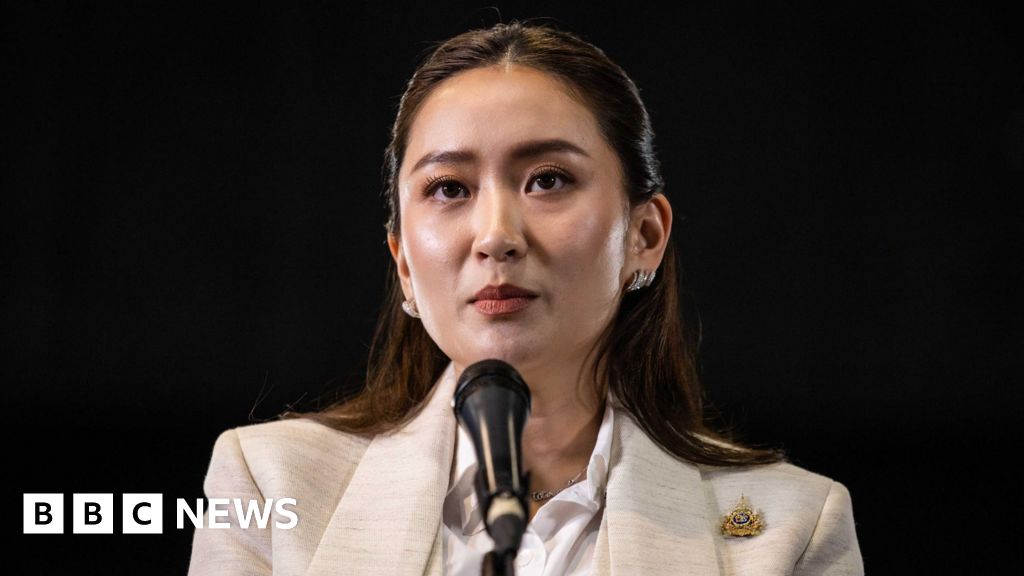
Thai Prime Minister Dismissal: Impact on Thai-Cambodian Relations
The dismissal of Thai Prime Minister Paetongtarn Shinawatra has caused political upheaval and may have implications for the future of Thai-Cambodian relations.
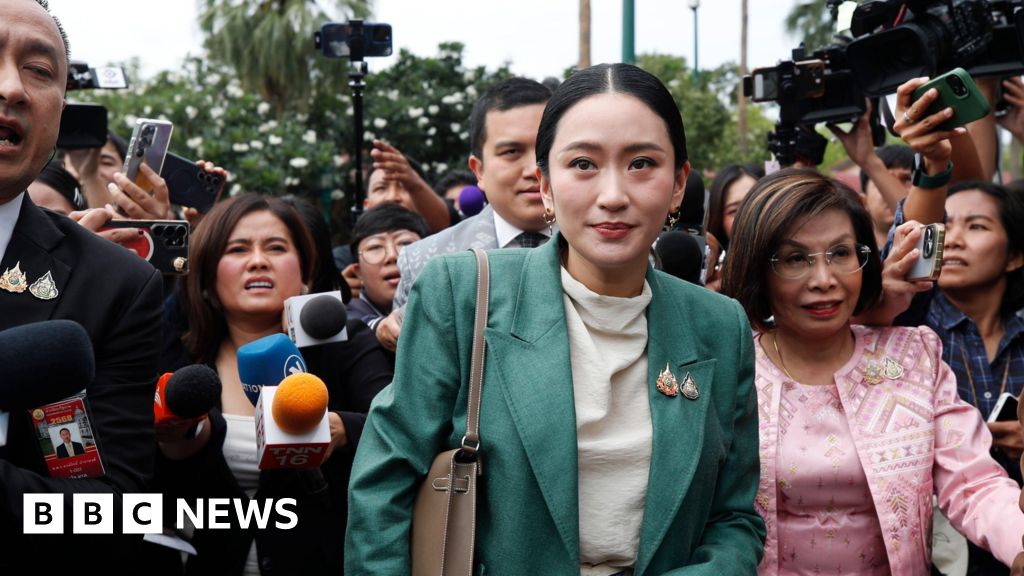
Hun Sen is a Cambodian politician who served as the Prime Minister of Cambodia from 1985 until 2023, making him one of the longest-serving leaders in the world. Born on August 5, 1952, in Kampong Cham province, he rose to prominence during the late 1970s after fleeing the Khmer Rouge regime and aligning with Vietnam. Following the Vietnamese invasion that ended the Khmer Rouge’s rule in 1979, Hun Sen became Cambodia’s Foreign Minister and later was appointed Prime Minister in 1985 by the Vietnam-backed government[1][2][3]. Throughout his premiership, Hun Sen was a central figure in Cambodia’s transition from conflict to relative stability. He played a key role in negotiating peace agreements, including the Paris Peace Accords of 1991, which led to U.N.-supervised elections in 1993. Despite losing the initial elections to the royalist FUNCINPEC party, Hun Sen leveraged political and military influence to remain in power through coalitions and eventually consolidated sole leadership following a violent coup against Prince Norodom Ranariddh in 1997. His Cambodian People’s Party (CPP) consistently won subsequent elections, maintaining political dominance[2][3][4]. Hun Sen is credited with overseeing Cambodia’s economic reforms, transitioning the country from a socialist economy to a market-oriented one, which facilitated economic growth and reintegration into the international system. However, his tenure was also marked by accusations of authoritarianism, repression of opposition, electoral manipulation, and corruption[1][5][6]. After stepping down as Prime Minister in 2023, Hun Sen continued his political influence as the President of the Cambodian People’s Party and became the President of the Senate in 2024, maintaining a significant role in Cambodia’s political landscape[2][3]. His long rule has made him a key figure in Southeast Asian politics, known for balancing relations between Vietnam and China[6].
The dismissal of Thai Prime Minister Paetongtarn Shinawatra has caused political upheaval and may have implications for the future of Thai-Cambodian relations.
An overview of the history of conflict and the ongoing political feud between Thailand and Cambodia over the border dispute.

